
Why Political Satire Is Becoming Gen Z’s First Draft of News
By Daniyal Raza
Why Gen Z loves political satire starts with a simple observation: ask a room of twenty-year-olds where they first heard about a big story and many will name a meme, a clip or a satirical post. That is not laziness. It is a different relationship with information.
Satire as a trust signal
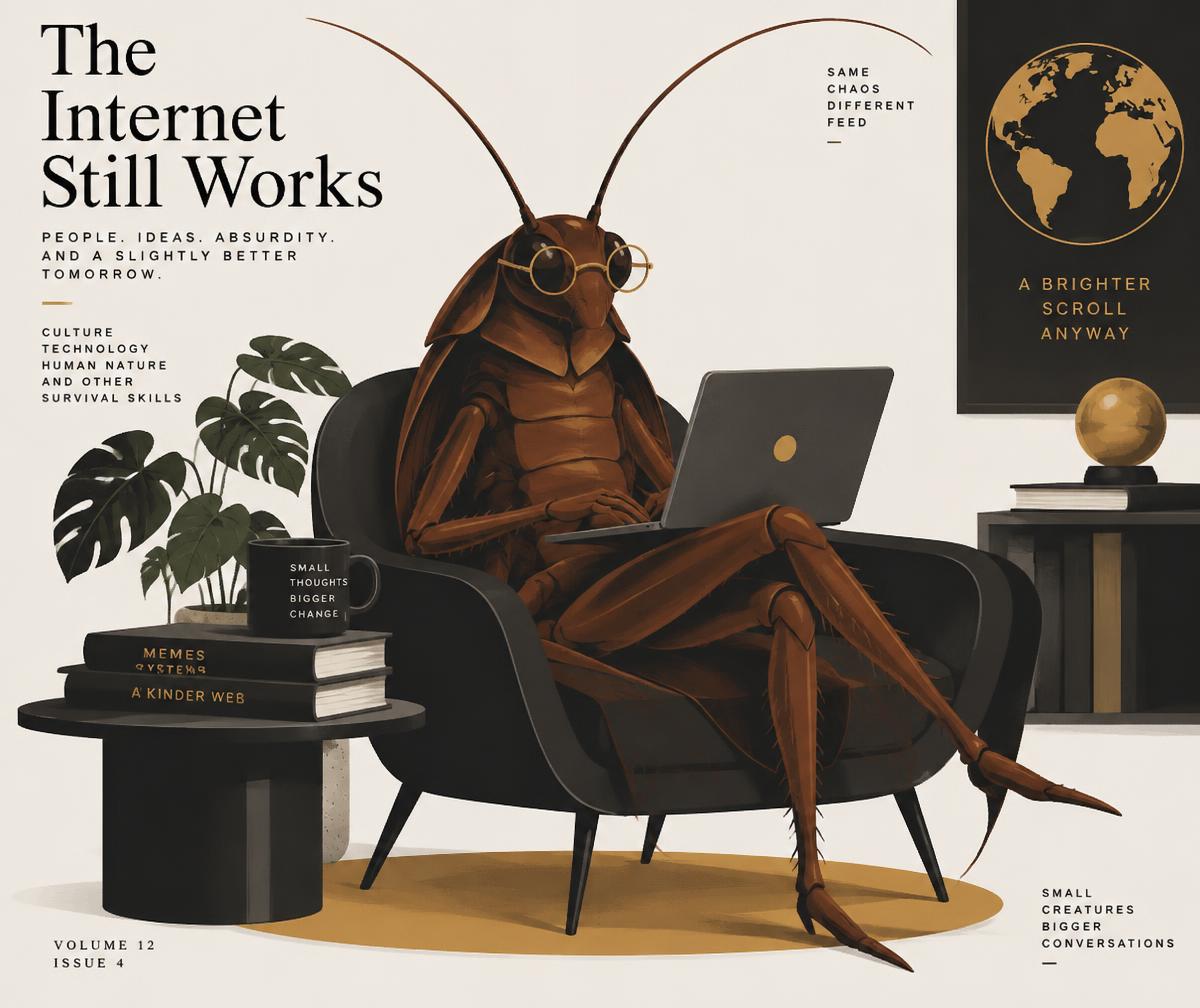
Young people grew up with feeds full of spin, so they learned to doubt everything. Satire admits it is performing, which makes it feel more honest than content that pretends to be neutral.
A shortcut to the point
A good joke compresses an argument into a sentence. It tells you what the writer thinks mattered, and it invites you to disagree.
The risks
A first draft is not the final version. Satire can flatten nuance, and a screenshot of a joke can travel without its context. The healthy habit is to treat satire as a starting point and follow up with reporting.
The Cockroach Janta Party example
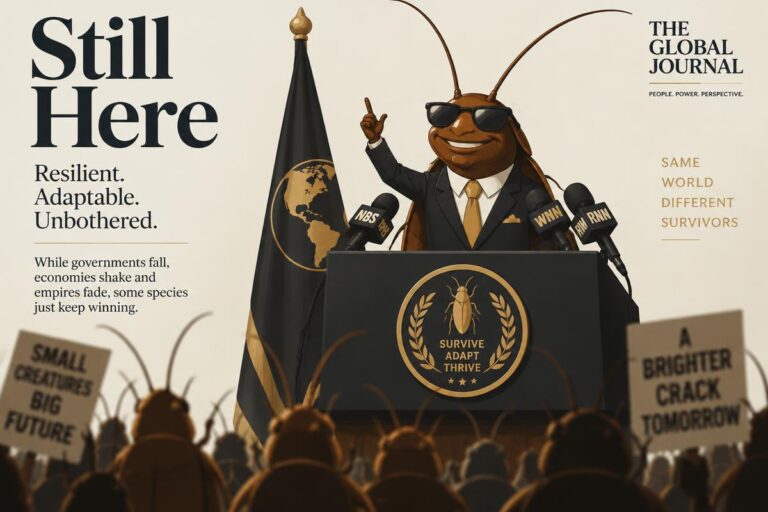
Cockroach Janta Party shows the pattern clearly. It began as satire on 16 May 2026 and, according to Reuters, gained close to 15 million Instagram followers in under a week. That speed is part of why Gen Z loves political satire: a sharp joke travels faster than a press release, and anyone can pass it on.
If you are new to the movement, our complete guide to Cockroach Janta Party explains the background, and the meaning behind the cockroach symbol shows how a joke can become an identity.
How to enjoy satire without being fooled
Satire works best when you keep a few habits in mind:
- Find the original post or clip before you share a screenshot.
- Notice what is being exaggerated, because that is usually the point.
- Check the date, since old jokes often resurface as if they were new.
- Follow up with reporting from outlets that name their sources.
FAQ: Why Gen Z loves political satire
Why does Gen Z love political satire?
Because satire admits it is performing, compresses an argument into a joke and invites people to respond. Many young people find that more honest than content that pretends to be neutral.
Is political satire a reliable source of news?
Not on its own. Treat satire as a first draft and verify it with reporting. For background on the genre, see Wikipedia’s overview of political satire.
What is the difference between satire and misinformation?
Satire exaggerates openly to make a point, while misinformation presents false claims as fact. A screenshot without context can blur the two, so check where a post came from. We also look at this in how political satire influences real discourse.
Related: Political satire and its growing influence on real discourse.