How Social Media Creates Movements Out of Thin Air
By Daniyal Raza
How social media creates new movements comes down to a few simple ingredients. A decade ago, a movement needed an organiser, a venue and a budget. Today it needs a good image, a catchy phrase and a feed that is willing to share it.

Identity is the product
Algorithms reward content that makes people feel like they belong to something. A mascot, a motto and a hashtag are enough to turn scattered viewers into a recognisable group.
Low cost to join
Sharing a meme costs nothing, so participation spreads fast. The flip side is that commitment can be shallow, and attention can disappear as quickly as it arrived.
What to watch for
Ask who benefits from the attention, whether the claims can be checked, and whether the group welcomes disagreement. Those three questions separate a community from a trend.
A live example: Cockroach Janta Party
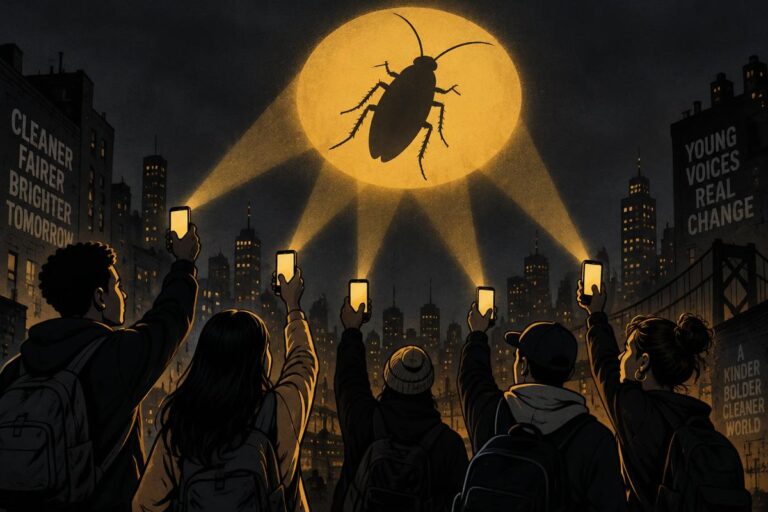
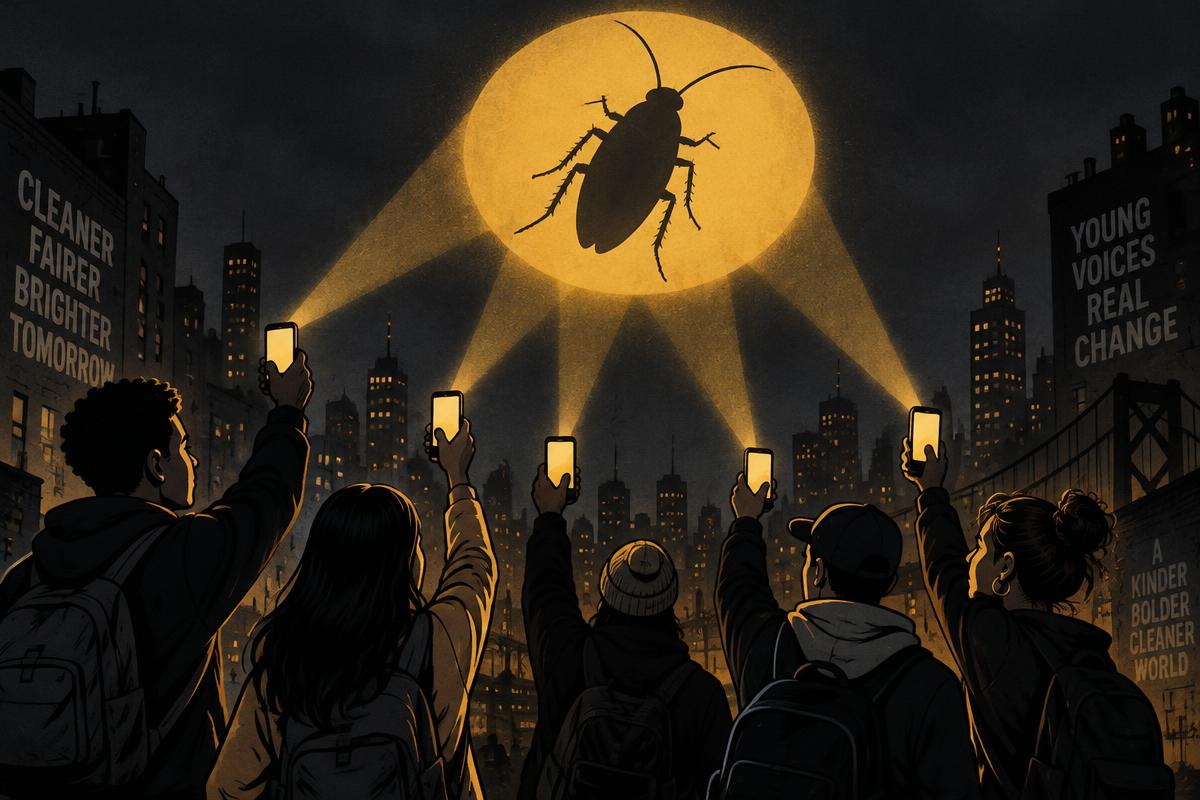
Cockroach Janta Party followed this recipe closely. It launched on 16 May 2026 with a name, a mascot and a pun, and reports say it reached close to 15 million Instagram followers within a week. It later moved offline with protests in Delhi. Our timeline of the movement lists the dates, and CJP vs traditional politics looks at what online reach does and does not buy.
For wider background on how online campaigns spread, see Wikipedia’s article on hashtag activism.
Why online movements fade
The same features that make a movement spread quickly also make it fragile. Attention moves on, shared jokes lose their novelty, and a movement with no offline plan can disappear as fast as it arrived. The movements that last usually connect their online identity to a clear grievance and to real-world action, such as organised protests, public statements and answerable leaders.
FAQ: How social media creates new movements
How does social media create new movements?
By rewarding content that makes people feel they belong. A mascot, a motto and a hashtag are often enough to turn scattered viewers into a recognisable group, and sharing costs nothing.
Do online movements lead to real-world change?
Sometimes. Online attention can turn into action when it is tied to a clear grievance and an offline plan. Followers are not votes, though, so reach alone does not guarantee results.
How can I tell a community from a trend?
Ask who benefits from the attention, whether the claims can be checked, and whether the group welcomes disagreement. We also discuss the role of humour in why Gen Z loves political satire.
Related: Why everyone is talking about Cockroach Janta Party.